
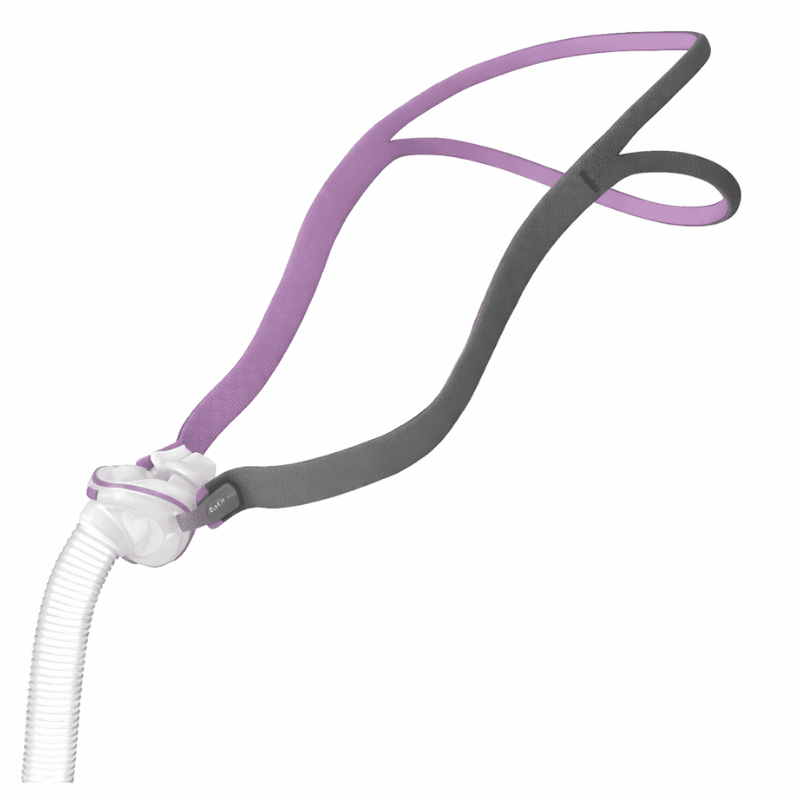
Best Choice If You:
- Experience anxiety or claustrophobia when wearing full-face CPAP masks or larger mask styles that obstruct your field of vision
- Want to wear glasses comfortably while using your CPAP device
- Want to maintain a full field of vision to watch television or read during CPAP therapy
- Sleep on your abdomen or side (ball-cap style headgear recommended as it eliminates pressure from side straps and prevents mask displacement)
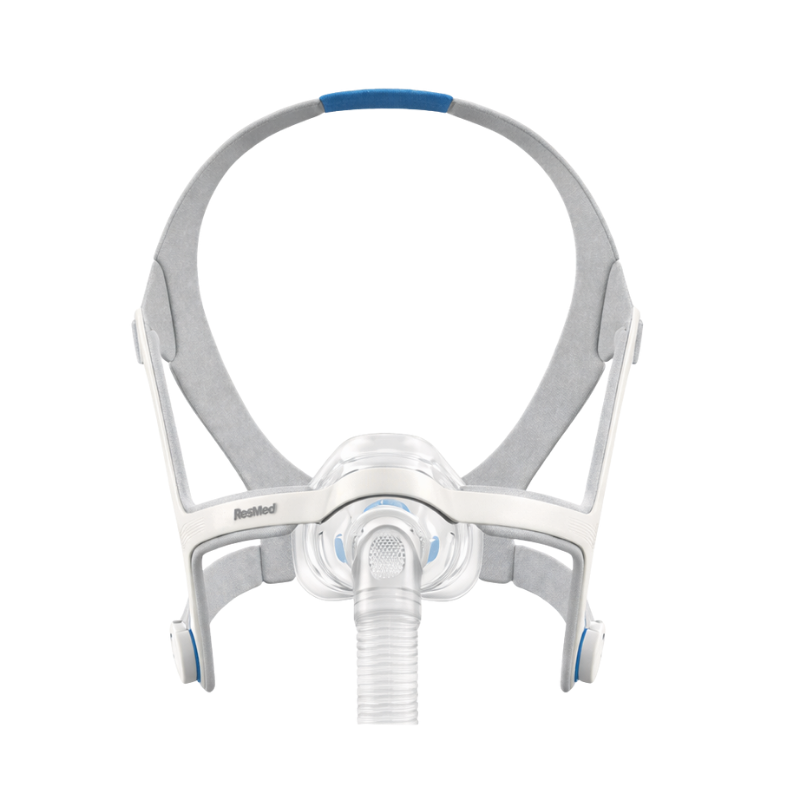
Best Choice If You:
- Have been prescribed high CPAP pressure settings, as the nasal mask cushion forms a strong enough seal that you will not have to over-tighten the headgear, preventing air leaks and ensuring therapy effectiveness
- Move frequently during sleep or are an active sleeper – the secure headgear and flexible cushion can maintain proper seal integrity through movement without mask displacement
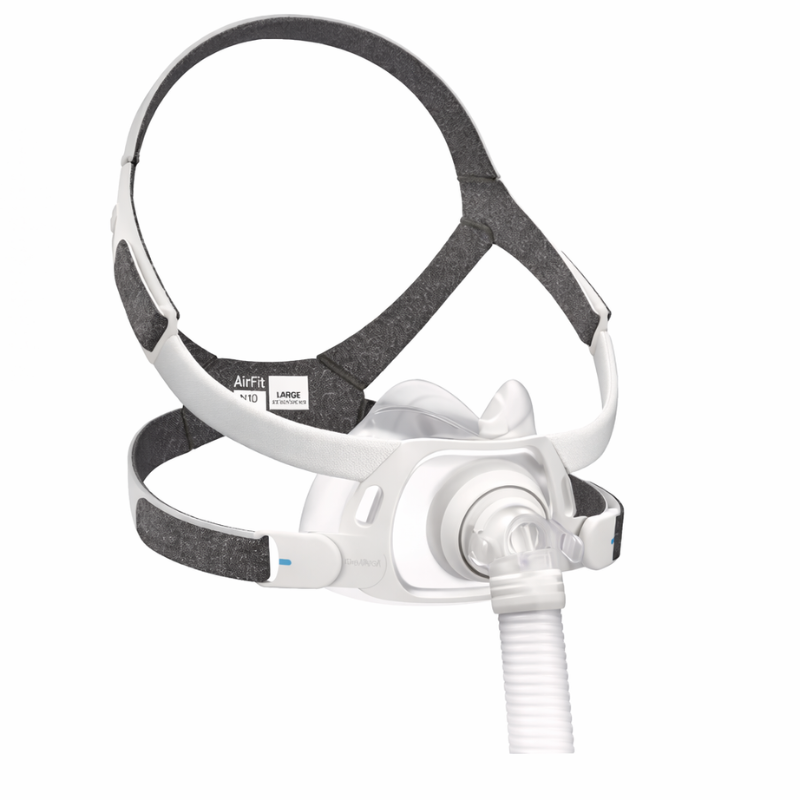
Best Choice If You:
- Breathe through your mouth at night or are a chronic mouth breather during sleep
- Experience nasal congestion, sinus issues, or nasal obstructions which make breathing through your nose difficult
- Have been prescribed high CPAP pressure settings – the full-face seal distributes pressure evenly across a larger surface area without requiring excessively tight headgear, preventing discomfort and air leaks
- Move frequently during sleep or are an active sleeper – the secure headgear and flexible cushion maintain proper seal integrity through movement without mask displacement
- Wake up with dry mouth when using nasal masks – full-face CPAP masks supply humidified air to both the nose and mouth, preventing oral dryness when paired with your CPAP machine’s heated humidifier feature
- Consult Sleep Therapy Professionals – Discuss all available CPAP mask options with both your sleep physician and certified CPAP specialists. Review the pros and cons of each mask style (nasal pillows, nasal cushion, full-face) as it pertains to your breathing patterns, sleep position, and facial structure
- Try Multiple Mask Styles – Test different CPAP mask types before making your final decision to find the best fit and comfort level
- Test in All Sleep Positions – Wear the mask while sitting up and lying down to ensure it feels comfortable and maintains proper seal integrity in all positions
- Evaluate Ease of Use – The mask should be convenient to use daily – you should be able to put it on and remove it easily and quickly to support consistent therapy adherence
- Check Mask Fit and Comfort – The CPAP mask should fit snugly to your face without causing pressure points, skin irritation, or discomfort
- Test with Air Pressure – Put the mask on with both the CPAP hose attached and therapeutic air pressure being supplied. This helps ensure the mask seals properly to your face without air leaks that compromise therapy effectiveness
- Try Different Mask Sizes – Just because you feel most comfortable in a particular size of one mask style doesn’t mean the same size will be the best fit for a different mask design. Facial dimensions vary significantly
- Take Advantage of Trial Periods – Some CPAP equipment providers offer mask trial periods allowing you to sleep with the mask for a limited time before purchase. Use this option to ensure the mask supports quality sleep and effective therapy before committing