





CPAP Therapy

Continuous positive airway pressure (CPAP) is the gold standard and most effective treatment option for obstructive sleep apnea (OSA). CPAP therapy delivers gentle air pressure to keep your airway open during sleep, eliminating breathing disruptions and improving sleep quality, daytime energy, and overall health outcomes.

CPAP/APAP/BiLEVEL devices deliver a continuous or dynamically changing flow of pressurized air to the upper airway through a CPAP mask that patients wear over their nose and/or mouth during sleep. The therapeutic air pressure created by the CPAP machine keeps the airway open and prevents airway collapse during sleep, eliminating breathing obstructions caused by obstructive sleep apnea.

CPAP therapy is the most effective option for treating sleep apnea and does not involve surgery or medications. Most patients experience immediate relief of sleep apnea symptoms including snoring, breathing disruptions, and daytime fatigue, although it may take weeks or even months for complete symptom resolution and improved health outcomes in severe obstructive sleep apnea cases.

CPAP Therapy Benefits

Patients who choose CPAP therapy can expect the following health outcomes and quality of life improvements:

Molecule1Improved sleep quality
Molecule1Improved memory and concentration
Molecule1Emotional stability
Molecule1Increased level of alertness
Molecule1Reduced morning headaches
Molecule1Decreased baseline blood pressure
Molecule1Elimination of snoring
Molecule1Improved libido
Molecule1Reduced cardiovascular abnormalities (for people with congestive heart failure)
Molecule1Reduced likelihood of automobile accidents
Molecule1Significantly improves insulin sensitivity

Getting used to CPAP

Choosing the right CPAP mask

Using CPAP

It is worth remembering that CPAP is only a treatment, not a cure, so its benefits are only experienced as long as CPAP is used every time you sleep. Sleeping without CPAP will cause the symptoms of Sleep Apnea to return.

Tips for Common CPAP Therapy Concerns

The most common CPAP therapy challenges include trouble falling asleep with the CPAP mask, dry mouth and nasal dryness, and mask leaks affecting therapy adherence. These problems can often be overcome with proper CPAP equipment adjustments, mask fitting, and humidification settings to make your sleep apnea treatment comfortable and effective.

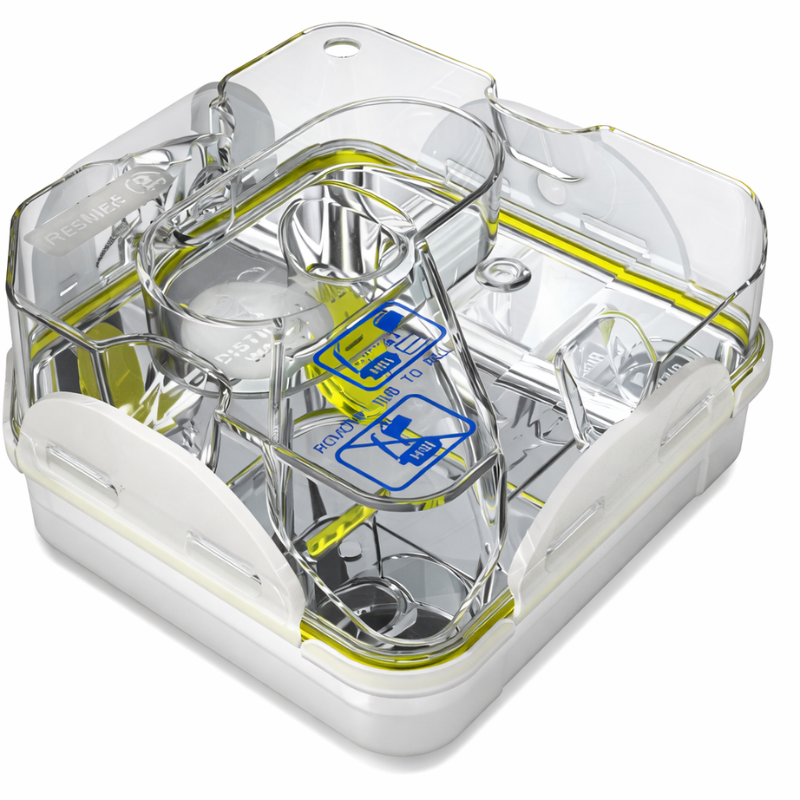
ResMed H5i Standard Humidifier Chamber
CPAP Equipment Care

Your CPAP equipment requires minimal maintenance, but following simple cleaning and care steps ensures optimal performance and effective obstructive sleep apnea treatment. Proper CPAP maintenance extends device lifespan, prevents bacterial buildup, and maintains therapy adherence by ensuring your CPAP machine and mask components stay in good working condition.

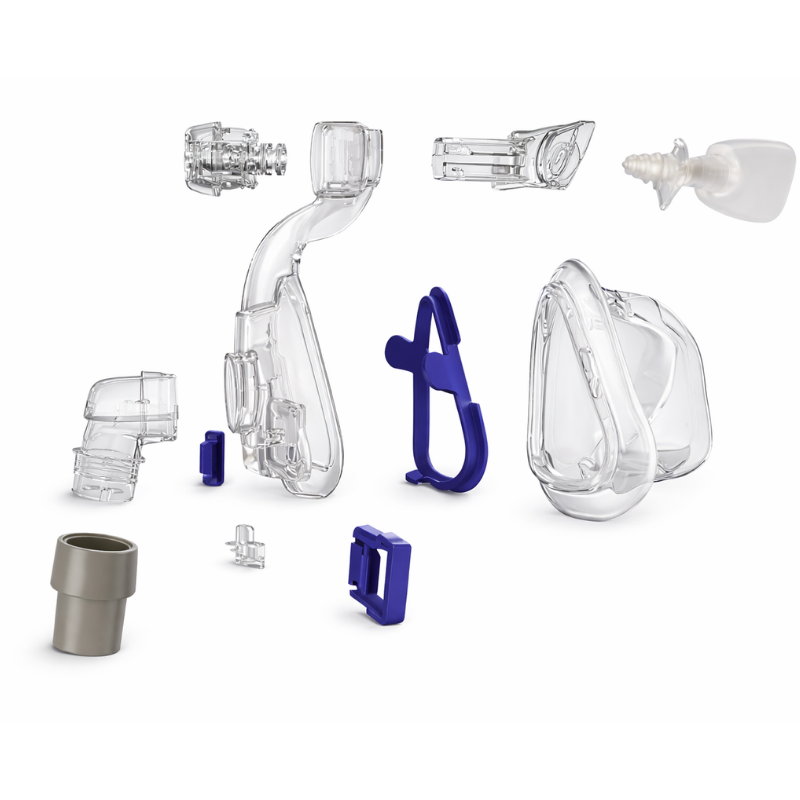
ResMed Mirage Activa LT Nasal Mask
Replacement Frequency

The CPAP mask cushion wears out over time due to frequent nightly use, natural skin oils, and regular cleaning. Deterioration of the soft silicone or foam cushions may result in a less optimal mask fit, air leaks, and reduced therapy effectiveness. Replacing your CPAP mask cushion regularly (every 1-3 months) ensures your sleep apnea treatment remains comfortable, maintains proper seal integrity, and supports consistent therapy adherence.

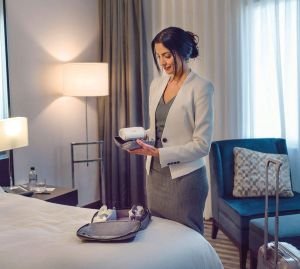
Traveling with Your CPAP Equipment

If you are a CPAP user, you will need your CPAP machine when you travel to maintain therapy adherence and avoid sleep apnea symptoms. With a full range of portable travel CPAP devices from ResMed, Philips Respironics, and Fisher & Paykel, you can continue effective sleep apnea treatment wherever you go.

Clinical Support

Adapting to CPAP/APAP/BiLEVEL therapy can be challenging for some patients, especially during the initial adjustment period. Whether you’re experiencing trouble with CPAP/APAP/BiLEVEL machine settings, need professional CPAP mask fitting assistance, or have concerns about therapy adherence, our experienced team of sleep therapy specialists is here to provide personalized support and solutions.

CPAP Expert Clinic Feedback

Better Sleep Equals Better Life

Better sleep equals better life—poor sleep negatively impacts cardiometabolic health, cognitive function, and overall quality of life. CPAP therapy and assistive sleep devices help treat obstructive sleep apnea, improve sleep quality, and allow your body to naturally heal and restore during restorative sleep. If you’re struggling with untreated sleep apnea or experiencing CPAP therapy challenges, CPAP Expert Clinic is here to help!

Scroll to Top