
CPAP Equipment Care
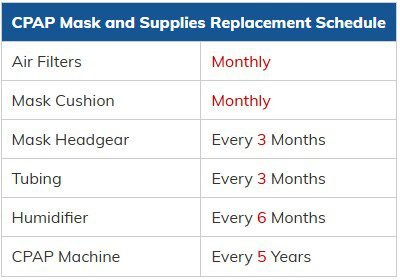
Did You Know? Your CPAP mask cushions, tubing, and humidifier chamber must be replaced every 3 to 6 months to prevent harmful bacterial growth, maintain optimal therapy effectiveness, and ensure proper seal integrity for successful sleep apnea treatment.
Replacement Frequency

Why Replace the Mask, Tubing, and Humidifier So Frequently?
CPAP Mask Cushion Wear and Deterioration
The CPAP mask cushion wears out over time due to frequent nightly use, natural skin oils, facial products, and regular cleaning. Deterioration of the soft silicone or foam cushions may result in a less optimal mask fit, compromised seal integrity, and air leaks that reduce therapy effectiveness. Replacing your CPAP mask cushion regularly will ensure your sleep apnea treatment remains comfortable, maintains optimal therapy adherence, and delivers consistent therapeutic air pressure.
Bacterial Growth Prevention
CPAP accessories such as the mask, CPAP tubing, and humidifier chamber are environments for bacterial growth and biofilm buildup. Washing these components with antibacterial soap significantly reduces bacteria levels and maintains equipment hygiene, however clinical studies indicate that even with frequent cleaning, harmful bacterial growth cannot be completely eliminated after approximately 6 months of use. Time for replacement to protect your respiratory health and ensure safe, effective CPAP therapy!
CPAP Equipment Care & Maintenance Guide
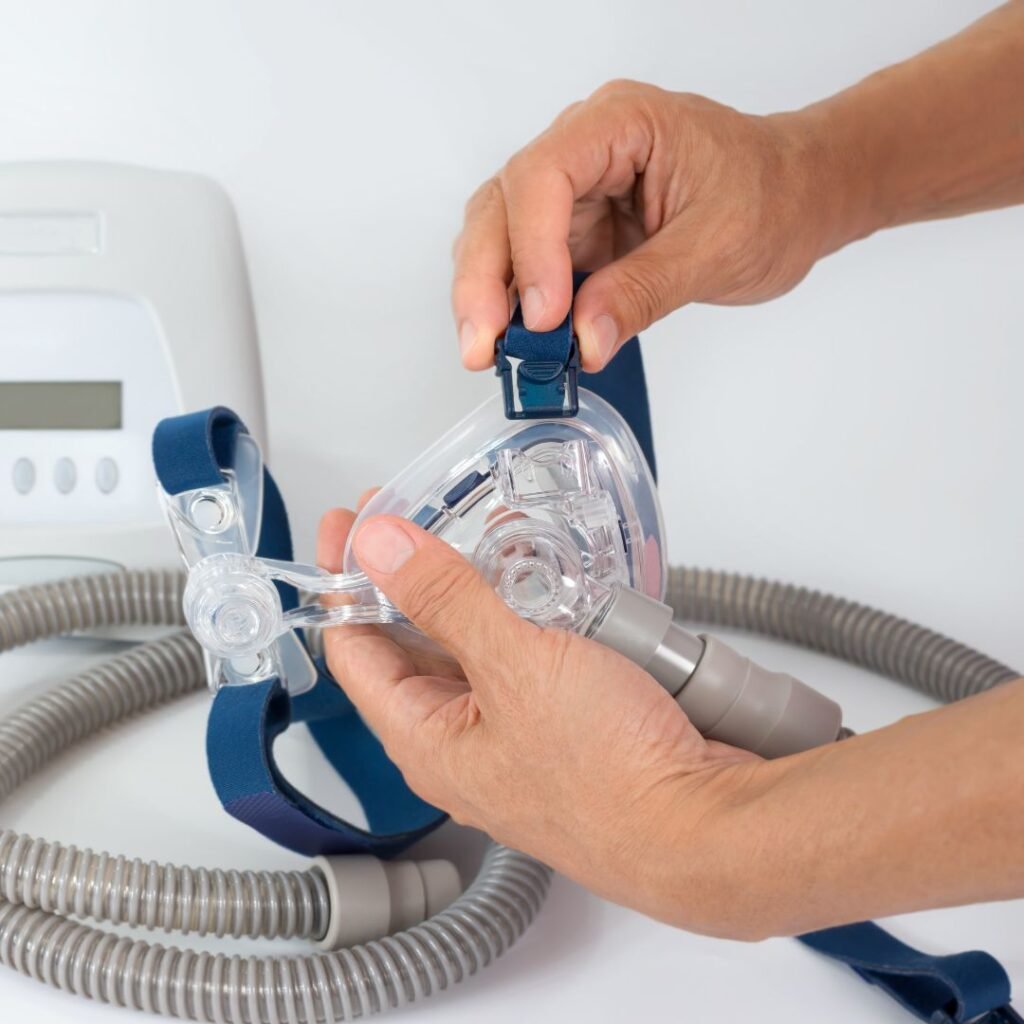
Your CPAP equipment requires minimal maintenance, but following simple cleaning and care steps ensures optimal performance and effective obstructive sleep apnea treatment. Proper CPAP maintenance extends device lifespan, prevents bacterial buildup, and maintains therapy adherence by keeping your CPAP machine and mask components in excellent working condition. Here are the key maintenance steps for your CPAP equipment.
CPAP Mask (Daily Cleaning)
Disassemble the CPAP mask and soak it in lukewarm soapy water for 15 minutes to remove skin oils and facial product residue. Rinse the mask thoroughly with tap water and allow it to air-dry completely. Do not soak the mask in hot water as it may damage the silicone or foam cushion components and compromise seal integrity. Do not wash the mask in a dishwasher, as high heat can degrade materials.
Humidifier Chamber (Daily Cleaning)
Wash the humidifier water chamber with warm soapy water and rinse thoroughly with tap water to prevent mineral deposits and bacterial growth. Refill the humidifier to the proper level with distilled water only to prevent mineral buildup that can damage your CPAP machine and reduce therapy effectiveness.
CPAP Tubing (Weekly Cleaning)
Wash the air hose weekly by soaking it in lukewarm soapy water for 15 minutes to remove moisture buildup and prevent bacteria. Rinse the CPAP tubing thoroughly with warm water and air-dry completely. Hang the hose over a shower curtain rod or door to help it dry faster and maintain proper airflow performance.
Headgear (Weekly Cleaning)
Hand-wash the headgear straps in soapy water to prevent buildup of skin oils and sweat that can degrade elastic materials. Rinse thoroughly under running water, squeeze out excess water by hand, and let it air-dry completely. Do not machine-wash or machine-dry your headgear, as this can damage the elastic straps and adjustment mechanisms.
Foam Air Filter (Weekly Cleaning)
Rinse the reusable foam inlet filter under running water weekly to prevent dust accumulation that can reduce airflow and therapy effectiveness. Air-dry the filter completely. The filter must be thoroughly dry before you place it back in the CPAP machine to prevent moisture damage.
Disposable Air Filter (Monthly Replacement)
Discard and replace the disposable ultra-fine filter monthly for optimal air quality. This filter removes microscopic dust particles, allergens, and pollutants that would otherwise enter your airways during CPAP therapy, so timely replacement of this filter is essential for respiratory health.
CPAP Mask Replacement (Every 3-6 Months)
The CPAP mask should be replaced every 3 to 6 months to maintain therapy effectiveness and comfort. The mask wears out and materials break down over time even if it appears to be in good condition. Regular replacement is necessary because the soft silicone or foam cushions and seals deteriorate over time, leading to air leaks, compromised seal integrity, and reduced therapeutic air pressure delivery. Changing the CPAP mask every 3 to 6 months ensures your sleep apnea treatment remains as comfortable and effective as possible while supporting consistent therapy adherence. Regular replacement also provides you with an opportunity to try a different model, style, or size of mask—such as switching between nasal pillows, nasal cushion masks, or full-face masks—so you can tailor your CPAP therapy to your evolving personal preferences, sleep position, and comfort needs.
Better Sleep Equals Better Life
Better sleep equals better life—poor sleep negatively impacts cardiometabolic health, cognitive function, and overall quality of life. CPAP therapy and assistive sleep devices help treat obstructive sleep apnea, improve sleep quality, and allow your body to naturally heal and restore during restorative sleep. If you’re struggling with untreated sleep apnea or experiencing CPAP therapy challenges, CPAP Expert Clinic is here to help!