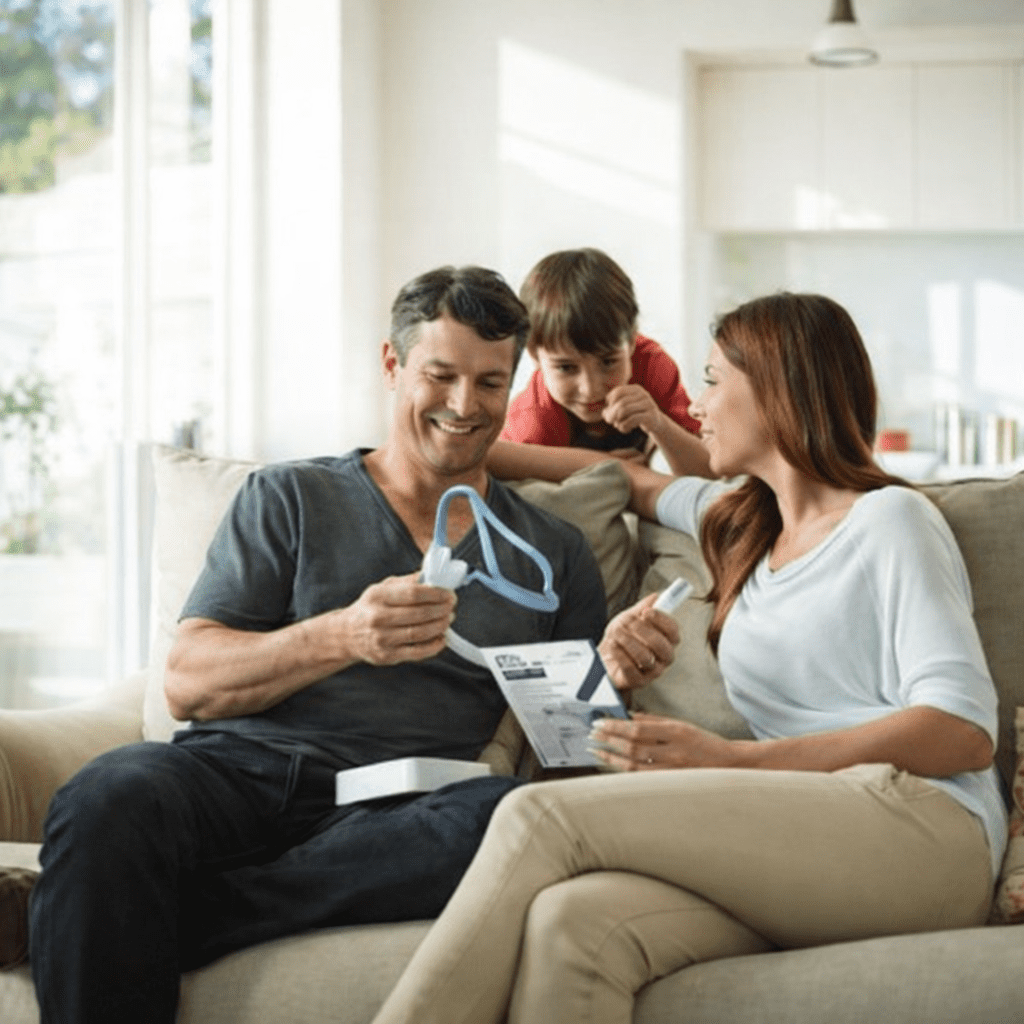
Getting used to CPAP

Continuous positive airway pressure (CPAP) is an important and highly effective form of sleep therapy for the treatment of obstructive sleep apnea and improving overall health outcomes. However, many new CPAP users experience difficulties and frustrations during the initial adjustment period that can impact therapy adherence. Here are expert tips to aid your successful transition to CPAP therapy and ensure long-term treatment success.

Did you know?

Your CPAP mask cushions, tubing, and humidifier chamber must be replaced every 6 months to prevent harmful bacterial buildup, maintain optimal therapy effectiveness, and ensure proper seal integrity. Regular CPAP equipment replacement supports therapy adherence by keeping your sleep apnea treatment hygienic, comfortable, and functioning at peak performance.

Preparing to Wear a CPAP Mask for the First Time

When fitting your CPAP mask for the first time, several important factors need to be considered for successful therapy adherence:

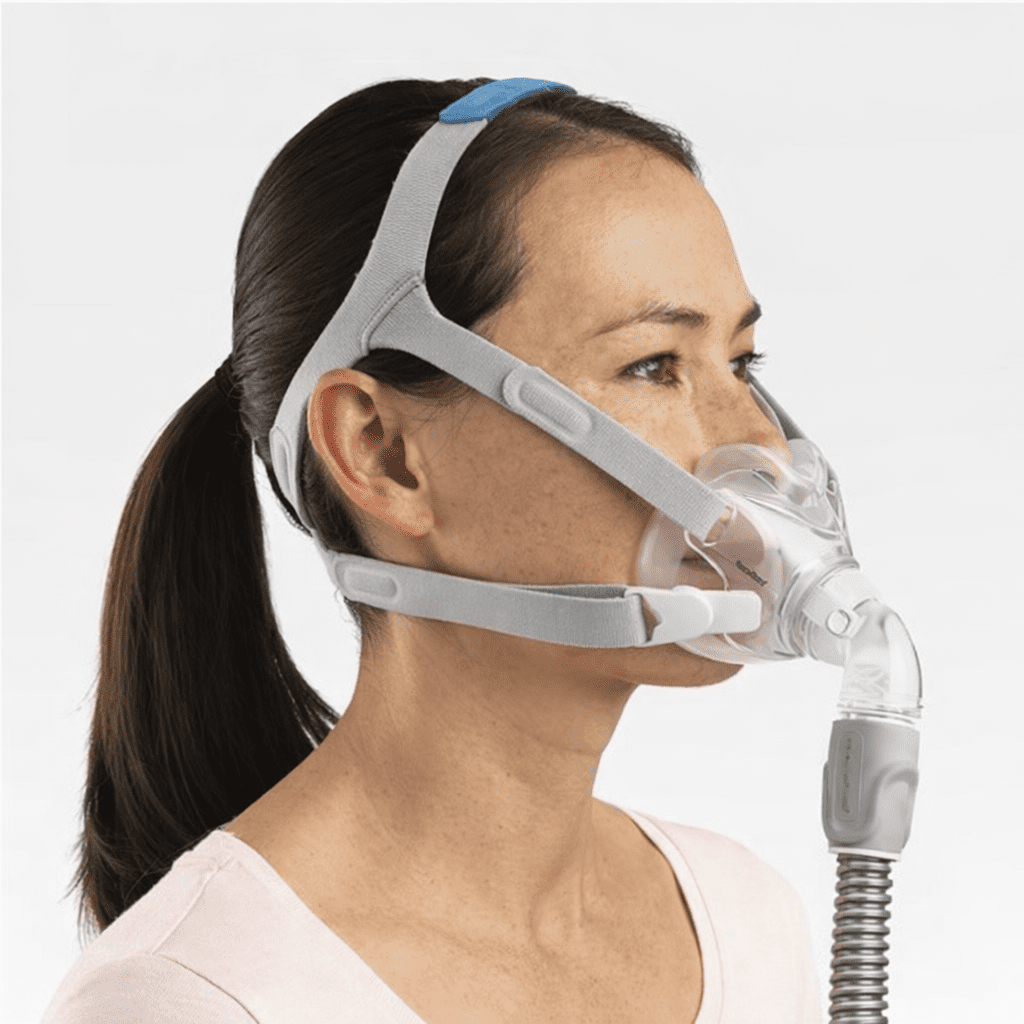
  • Practice Makes Perfect – Practice fitting and removing the mask several times until you feel comfortable and confident with the process
  • Check for Proper Seal – A well-fitted CPAP mask should not cause pressure points, skin irritation, or excessive air leak noises when connected to your CPAP machine with therapeutic air pressure running

Getting Comfortable with CPAP Therapy

When your CPAP machine is running, practice breathing naturally through the mask while sitting upright to grow accustomed to the sensation of pressurized air. Once you are comfortable with the CPAP pressure settings, lie down in your preferred sleep position, relax, and try falling asleep with the knowledge that you’ve completed the first and biggest step in treating your obstructive sleep apnea and improving your long-term health outcomes!

ResMed AirFit F30 Full Face Mask Woman

Take Control of Your Sleep Therapy

You are in control of many aspects of your obstructive sleep apnea treatment, so ensure you are informed of all the various CPAP therapy options available to maximize therapy adherence and treatment outcomes. There are advanced variations of PAP machines (such as AutoPAP with auto-adjusting pressure, BiPAP with bilevel pressure settings, and VPAP for complex sleep apnea) that may be better suited for your breathing patterns and comfort needs than a standard CPAP device. There are also many different styles of CPAP masks available—including nasal pillows, nasal cushion masks, and full-face masks—and choosing the right CPAP mask is critical for successful therapy and long-term adherence. Work closely with your certified CPAP specialists and sleep medicine physician to determine which smart CPAP technology options and mask styles are best for your personal needs, sleep position, and therapy preferences.

Getting used to CPAP

Involve Your Spouse in the Treatment from the Beginning

Ultimately, obstructive sleep apnea treatment with CPAP therapy affects not only you, but also your bed partner and the quality of sleep you both experience. Involve your spouse in the process early on, so both of you understand the different CPAP therapy options available for treating sleep apnea, how CPAP treatment works to eliminate snoring and breathing disruptions, and the initial adjustment challenges you both may experience during the therapy adherence process. You may feel insecure about wearing a CPAP mask to bed, but most partners are highly supportive of their spouses’ use of CPAP therapy to treat sleep apnea, especially when they understand the significant health outcomes and improved sleep quality benefits for both of you.

Practice Good Sleep Hygiene Habits

To ensure you are sleeping well with your CPAP mask and maximizing therapy effectiveness, make sure you are practicing healthy sleep habits in general:

  • Maintain a consistent sleep schedule – go to bed and wake up at regular times to support your circadian rhythm
  • Limit daytime naps to 45 minutes or less to preserve nighttime sleep quality
  • Stop consumption of alcohol or caffeine at least 4 hours before bedtime, and avoid smoking
  • Avoid spicy, sugary, or heavy foods four hours before sleep to prevent digestive disruption
  • Exercise regularly for overall health outcomes, but not right before bed
  • Sleep in a well-ventilated room at a comfortable temperature with optimal humidity levels
  • Eliminate as much light and distracting noise from your bedroom as possible to create an ideal sleep environment

The First Two Weeks of CPAP Therapy Determine Your Habits

It is critical to establish a consistent routine of using your CPAP machine every time you go to bed from the very beginning of your sleep apnea treatment. Building this therapy adherence habit will ensure the long-term success of your CPAP therapy and sustainable health improvements. Remember, you are in control of how effectively you treat your obstructive sleep apnea with CPAP, so be determined to succeed from day one!

Keep at It – Persistence Pays Off!

Persistence and determination are key to making CPAP therapy comfortable and achieving optimal treatment outcomes. Initially, you might find wearing your CPAP mask in bed challenging or uncomfortable during the adjustment period. However, with consistent practice and proper mask fitting support, this feeling will fade and you will come to find it tolerable. Eventually, with enough time and nightly usage, CPAP therapy will become not only tolerable but genuinely comfortable as your body adapts to the therapeutic air pressure. In addition, once sleep therapy heals your body and mind from the destructive effects of untreated sleep apnea, you will be glad you made the effort. Don’t give up if you don’t feel comfortable with CPAP right away—successful therapy adherence takes time, but the life-changing health benefits are absolutely worth it!

Better Sleep Equals Better Life

Better sleep equals better life—poor sleep negatively impacts cardiometabolic health, cognitive function, and overall quality of life. CPAP therapy and assistive sleep devices help treat obstructive sleep apnea, improve sleep quality, and allow your body to naturally heal and restore during restorative sleep. If you’re struggling with untreated sleep apnea or experiencing CPAP therapy challenges, CPAP Expert Clinic is here to help!

Scroll to Top